

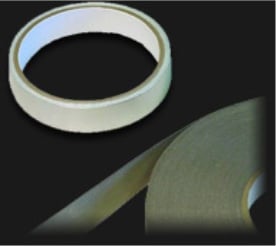
 It is essential to protect electronic equipment from more than just theft. Most individuals go through the world using many electronics every day, never once questioning how they work. Electronic devices are operating near one another, which means that electronics need to be protected from one another. All electronic devices create some levels of EMI, which, when left unprotected, causes issues for the performance of electronic devices. With that said, electronic devices and circuits need to be protected against harmful EMI and RFI. Engineers can go down many different avenues to protect devices, but EMI shielding tape is one of the most popular options.
What is EMI Shield Tape?
Shielding tape is designed to do what its name suggests: shield EMI from getting into and escaping electronics. More specifically, it is a material that needs point-to-point electrical contact. They also work with static charge draining and grounding. The tapes are built with signals produced by the device they are protecting. They effectively block signals that directly affect internal components. It is essential to recognize that shielding tape is constructed in various options with different characteristics. Some of the most used options include:
- Embossed/Smooth Foil Surfaces
- Foil Backing Materials
- Non-Conductive/Conductive Acrylic Adhesives
Regardless of the variety chosen, there are several benefits that EMI shielding tape offers. These include:
Simple and Effective Installation: these tapes contain pressure-sensitive adhesive, which means that tapes can be applied quickly and with minimal labor.
Removing Static: tape removes static build-up by accommodating grounding.
Convertible: tape is highly customizable when paired with die cutting services or other similar forming manufacturing processes.